
Car Key Remote Not Working? Common Causes and Fixes
Car Key Remote Not Working? Common Causes and Fixes
There’s nothing more frustrating than pressing the button on your car key remote and getting absolutely no response. Whether you’re trying to unlock your vehicle in a shopping centre car park, lock it before heading into work or get the kids into the car, a remote that suddenly stops working can be a real inconvenience. Sometimes the problem develops gradually, with the remote becoming less responsive over several weeks, while other times it seems to stop working without warning.
Fortunately, a faulty car key remote doesn’t always mean you need a completely new key. Many remote problems can be traced to a flat battery, worn buttons, damaged internal components or a communication issue between the remote and your vehicle. Understanding what might be causing the problem can help you determine whether there’s a simple fix or whether it’s time to have the remote professionally assessed.
At Sunny Coast Car Keys, we provide mobile automotive locksmith services across the Sunshine Coast, helping motorists with faulty, damaged and non-working car keys. In this guide, we’ll explain the most common reasons car key remotes stop working, what you can safely check yourself and when replacement or professional programming may be necessary.
A Flat or Weak Car Key Remote Battery
One of the most common reasons a car key remote stops working is a flat or weakening battery. Most modern car key remotes use a small coin-cell battery to power the transmitter that communicates with the vehicle’s central locking system. Although these batteries can last several years, their lifespan depends on the remote’s design, how frequently it’s used and the conditions in which it’s stored.
A failing battery doesn’t always cause the remote to stop working immediately. You might first notice that you need to stand closer to your vehicle before the doors will unlock, or that the remote only responds after pressing the button several times. Eventually, the battery may become too weak to transmit a reliable signal, leaving you unable to operate the central locking remotely.
Replacing the battery is often a straightforward solution, but it’s important to use the correct battery type and install it properly. Different vehicles use different batteries, and some remote housings are more difficult to open than others. Attempting to force open a sealed or tightly fitted remote can damage the casing, internal circuit board or battery contacts.
If you’re comfortable replacing the battery yourself, check your vehicle’s owner’s manual for the correct procedure. However, if a new battery doesn’t restore normal operation, the problem may be more complicated than a simple loss of power.
Worn or Damaged Remote Buttons
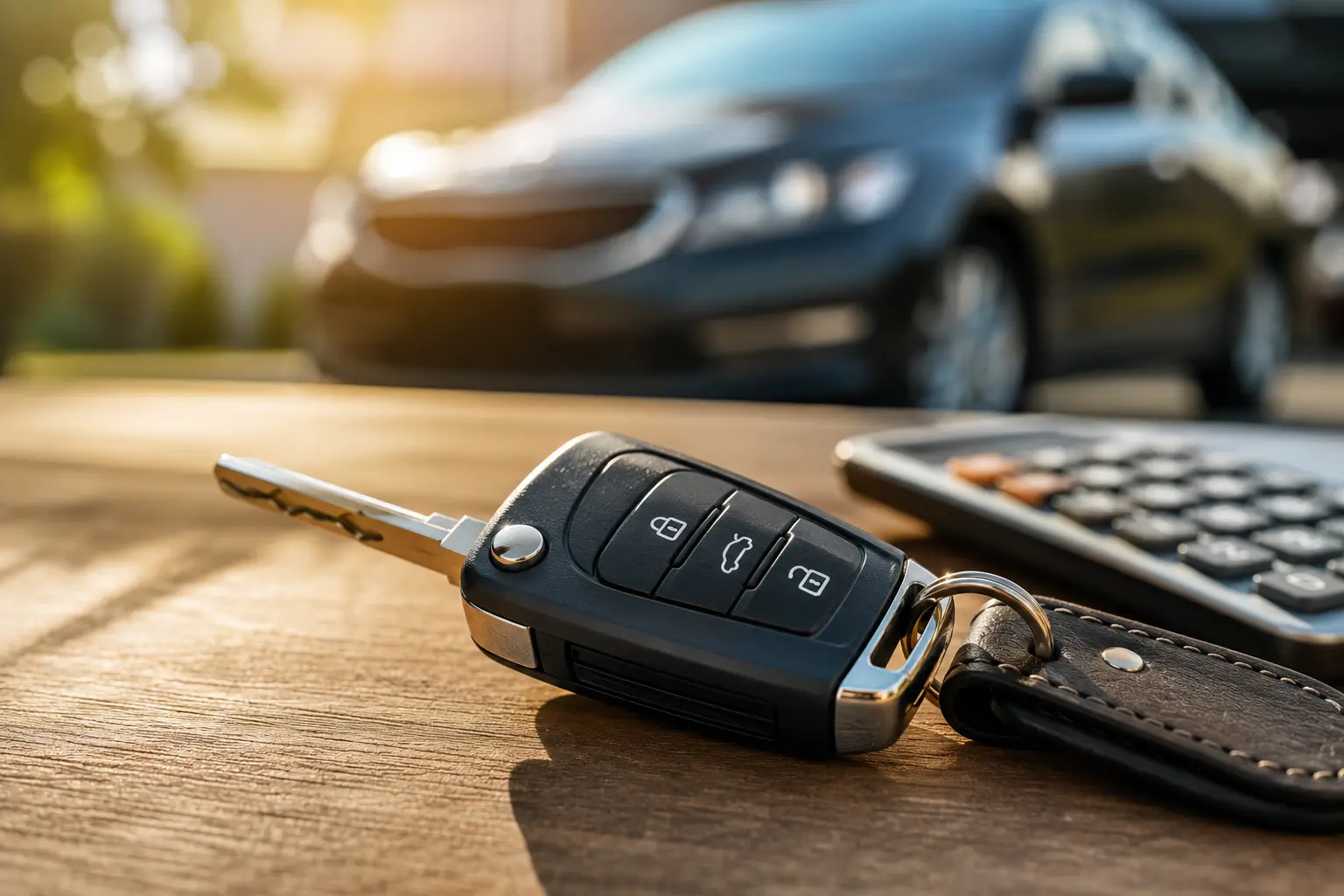
Car key remotes are handled almost every day, often for years at a time. They’re carried in pockets, dropped onto hard surfaces, exposed to dust and moisture, and repeatedly pressed whenever you enter or leave your vehicle. Over time, this everyday wear can affect the buttons and the electronic switches underneath them.
One of the clearest signs of button damage is when only part of the remote works. For example, the unlock button might operate normally while the lock button becomes unreliable, or you may find yourself pressing much harder than usual to get a response. In some cases, the rubber button covering becomes cracked or worn, while in others, the small switches attached to the circuit board begin to fail.
It’s also possible for the remote housing to become damaged without the electronics immediately failing. A cracked case can allow moisture and dirt to enter, increasing the likelihood of more serious problems developing over time. This is particularly worth checking if your remote has been dropped or the buttons no longer sit properly within the casing.
Depending on the type of remote and the extent of the damage, replacing the housing or individual components may be possible. However, when the internal circuit board or electronic switches are badly damaged, replacing the remote may be the more reliable long-term option.
The Remote Has Lost Synchronisation With Your Vehicle
Your car key remote communicates with the vehicle using an electronic signal that the central locking system is designed to recognise. On some vehicles, the remote and receiver can lose synchronisation, preventing the doors from responding even though the remote itself still has power.
This can occasionally occur after a battery replacement, an electrical interruption or certain vehicle battery problems, although the circumstances vary considerably between manufacturers. Some vehicles have procedures that allow the remote to be resynchronised without specialist equipment, while others require diagnostic tools or professional programming.
It’s important to distinguish between the remote locking function and the transponder or immobiliser system responsible for allowing the engine to start. These systems may operate independently, which means a key can sometimes start the vehicle normally even when its remote locking buttons no longer work.
If your remote has stopped operating the doors but the car still starts with the same key, the problem may be limited to the remote locking function. On the other hand, if your vehicle is also displaying a warning or failing to recognise the key when starting, our article on Why Is My Car Saying “Key Not Detected”? explains some of the additional issues that may be involved.
Before attempting any programming or reset procedure, check the manufacturer’s instructions for your specific vehicle. Following generic online instructions intended for a different make or model may not resolve the issue and could create unnecessary complications.
Your Car Key Remote Only Works at Close Range
A car key remote should generally operate from a reasonable distance, although the actual range varies between vehicles and can be affected by the surrounding environment. If you’ve noticed that your remote only works when you’re standing directly beside the car, or that its operating range has become noticeably shorter, there are several possible explanations.
A weak battery is often the first thing worth investigating, as insufficient power can reduce the strength of the transmitted signal. However, damage to the remote’s internal antenna or transmitter can also affect its range. Even a remote that appears undamaged externally may have internal components that have become loose or damaged after repeated impacts.
Radio interference is another possibility, particularly if the problem only occurs in certain locations. Car key remotes operate using radio frequencies, and other electronic equipment or nearby transmitters can sometimes interfere with communication between the remote and vehicle. You might notice that your remote works perfectly at home but becomes unreliable in a particular car park or commercial area.
The AA discusses remote locking problems and radio interference in its guide to car keys and remote controls, including why a remote may temporarily stop responding even when the key itself isn’t faulty.
If the remote works normally in other locations, interference may be contributing to the problem. However, if its range remains consistently poor regardless of where the vehicle is parked, even after replacing the battery, further assessment of the remote or vehicle receiver may be necessary.
Water Damage or Internal Electronic Failure
Modern car key remotes contain delicate electronic components that aren’t designed to withstand significant moisture or repeated heavy impacts. While some remotes offer a degree of water resistance, accidentally dropping your keys into water, leaving them in wet clothing or putting them through the washing machine can cause serious problems.
Water can enter through gaps around the buttons, battery compartment or damaged housing and reach the internal circuit board. Once moisture reaches the electronics, it can cause short circuits or corrosion that interferes with the remote’s operation. In some cases, the remote may continue working immediately after getting wet, only to develop problems days or weeks later as corrosion progresses.
Physical damage can produce similar symptoms. A remote that’s been dropped onto concrete may develop cracked solder joints, damaged battery connections or other internal faults that aren’t visible from the outside. This can explain why a remote suddenly stops working after a fall, even though the case and buttons still appear to be in good condition.
If your remote has been exposed to water, avoid repeatedly pressing the buttons to see whether it still works. If the battery can be removed safely, doing so may help reduce further electrical damage, but the remote should be professionally assessed before being returned to normal use. Applying direct heat with a hairdryer or placing the remote in an oven is not recommended, as excessive temperatures can damage the electronics and plastic housing.
Depending on the extent of the damage, some components may be repairable, while severe corrosion or circuit board failure may make replacement necessary.
The Problem Could Be With Your Vehicle's Central Locking System
When a car key remote stops working, it’s natural to assume the key itself is faulty. However, the problem can sometimes originate within the vehicle rather than the remote. Modern central locking systems rely on several components working together, including the remote transmitter, vehicle receiver, electronic control modules, wiring and door lock actuators.
A weak vehicle battery, faulty receiver or electrical problem can prevent the car from responding to a perfectly functional remote. In other situations, a faulty door lock actuator may cause one door to stop locking or unlocking even though the other doors continue operating normally. These symptoms can help distinguish a vehicle-related problem from a fault affecting the remote itself.
One of the simplest checks is to try your spare car key remote, assuming you have one available. If the spare operates the central locking normally, there’s a stronger indication that the original remote is responsible. However, if neither remote works, the vehicle’s locking system, receiver or electrical supply may need further investigation.
You can also check whether the central locking operates using the interior locking switch, if your vehicle has one. If the doors respond to the interior switch but not either remote, this provides another useful clue about where the problem may lie, although proper testing is still needed to identify the exact fault.
Rather than immediately purchasing a replacement key, it’s worth establishing whether the remote is actually responsible. This can help avoid unnecessary expense and ensure the correct problem is addressed.
Should You Repair or Replace a Faulty Car Key Remote?
Whether a faulty car key remote can be repaired depends largely on the type of key, the nature of the problem and the condition of its internal components. Simple issues such as a flat battery or a damaged outer case may be relatively straightforward to resolve, while more serious electronic failures can make replacement the better option.
Some vehicle remotes are designed as separate units attached to a conventional key, while others incorporate the remote buttons, transponder chip and physical key blade into a single housing. Smart keys and proximity keys can be more complex again, with additional electronics responsible for keyless entry and vehicle starting. These differences affect how a faulty remote is diagnosed and what replacement or programming procedures may be required.
It’s also worth considering the age and overall condition of the remote. If the buttons are badly worn, the housing is cracked and the electronics are becoming unreliable, replacing individual parts may not provide a lasting solution. A properly programmed replacement remote may be a more practical investment, particularly if the existing key is your only working key.
Replacement costs vary depending on the vehicle’s make, model, year and key technology. Some remotes are relatively straightforward to replace, while others require specialist equipment, additional programming or more expensive components. For a broader explanation of the factors affecting pricing, read our guide to How Much Does a Replacement Car Key Cost?.
If you’re unsure whether your remote needs repairing or replacing, having it assessed by an experienced automotive locksmith can help determine the most appropriate solution.
Car Key Remote Not Working on the Sunshine Coast?
A car key remote that stops working can be inconvenient, but the cause isn’t always serious. From flat batteries and worn buttons to damaged electronics and programming issues, there are several reasons a remote may stop locking or unlocking your vehicle. Identifying the cause is the first step towards getting everything working reliably again.
Sunny Coast Car Keys provides mobile automotive locksmith services across the Sunshine Coast, including car key fob replacement and programming for a wide range of vehicle makes and models. Rather than arranging a trip to a dealership, our mobile service can come to your location to assist with your car key requirements.
If your remote has stopped responding, is damaged or needs replacing, visit our Car Key Fob Sunshine Coast service page to learn more about our services.
Contact Sunny Coast Car Keys today for a free quote and professional assistance with your faulty car key remote.
Replacement Car Keys on the Sunshine Coast
Don’t let a missing key ruin your holiday. Contact us today for fast, affordable car key replacement Sunshine Coast services. Our mobile team will come directly to your hotel, holiday rental, or wherever you’re staying, saving you the stress of towing, costly dealership visits, and lost time on your trip.